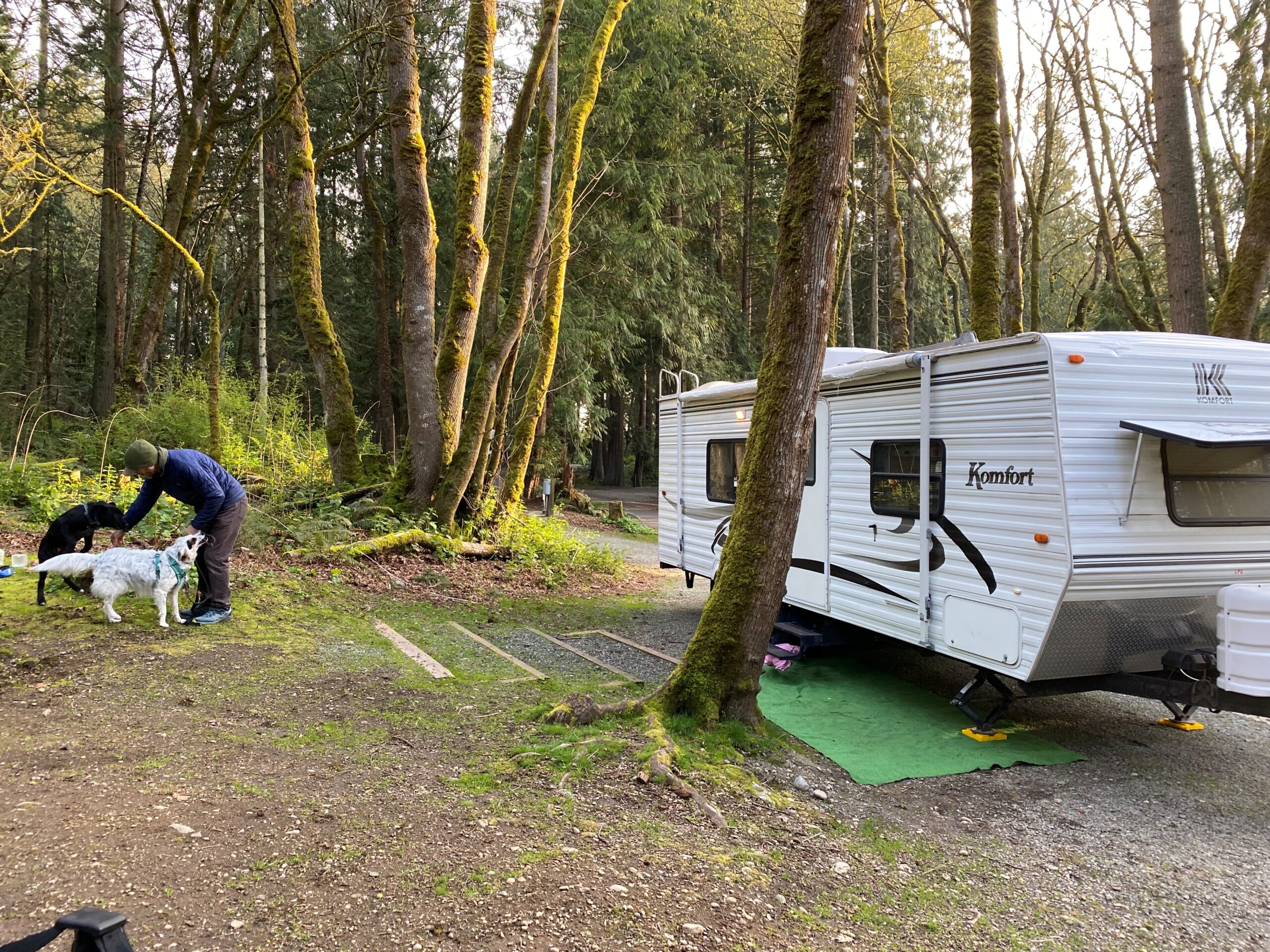
Are you feeling the summer itch? You’re not alone. Here in the Pacific Northwest, warmer weather means RVs, trailers, and camper vans are hitting the road for family trips, camping weekends, and long-awaited adventures.
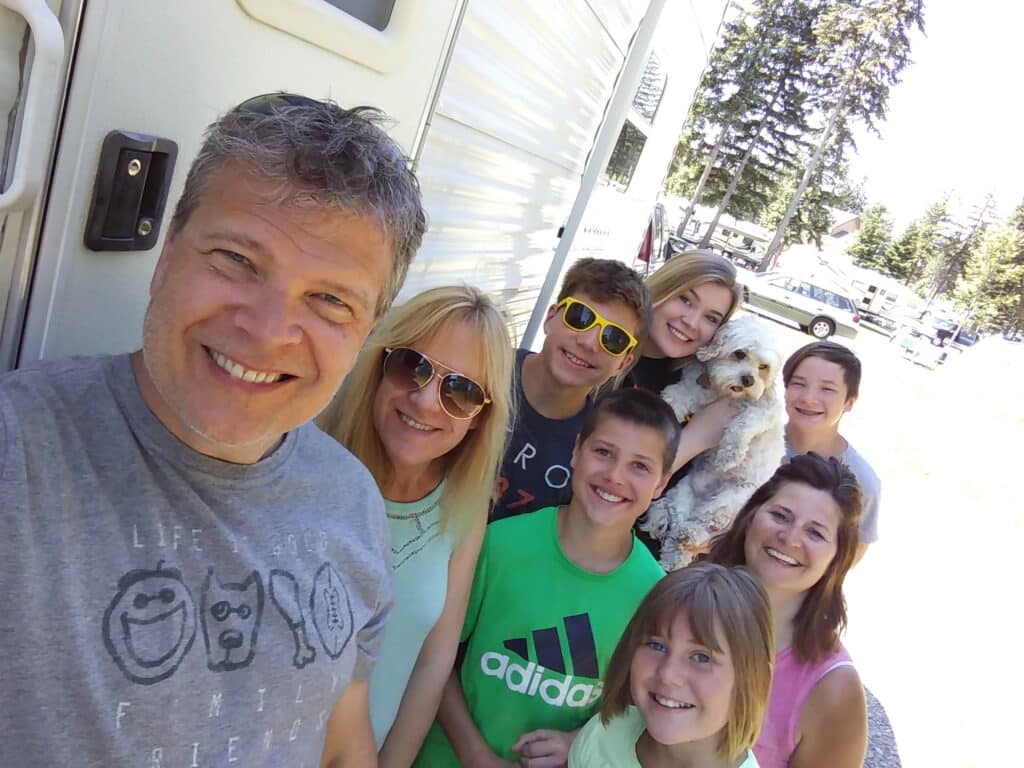
Before you head out, there’s one thing we always recommend checking, right alongside your tires and water tanks:
👉 Your RV insurance coverage
We hope that all your summer memories are fun and stress free. But if something does go wrong, the difference between having coverage and having the right coverage can be significant.
A Real RV Accident Story (And Why Coverage Matters)
Meghan’s large extended family gets together for a reunion every August, at campgrounds throughout the state.
A few years ago, the Pembrokes were headed to a reunion weekend in eastern Washington when another driver merged into their trailer.
Not exactly the start you hope for on a road trip.
Fortunately, they had the right insurance in place. They were able to file the claim remotely and talk to an adjustor from the campground.
While it was frustrating to deal with trailer repairs, the accident didn’t turn into a financial disaster. And it didn’t derail the rest of their summer plans. That’s the goal with any insurance coverage.
Accidents like this happen more often than people think, especially during busy travel seasons.
Does Auto Insurance Cover Your RV or Trailer?
This is one of the most common questions we hear:
“Does my auto or homeowners insurance cover my RV?”
The answer is: sometimes—but usually not enough.
RVs are unique because they’re:
- A vehicle
- A living space
- A high-value asset that depreciates quickly – as soon as it leaves the lot
That combination means they often require a specialty RV insurance policy to be fully protected.
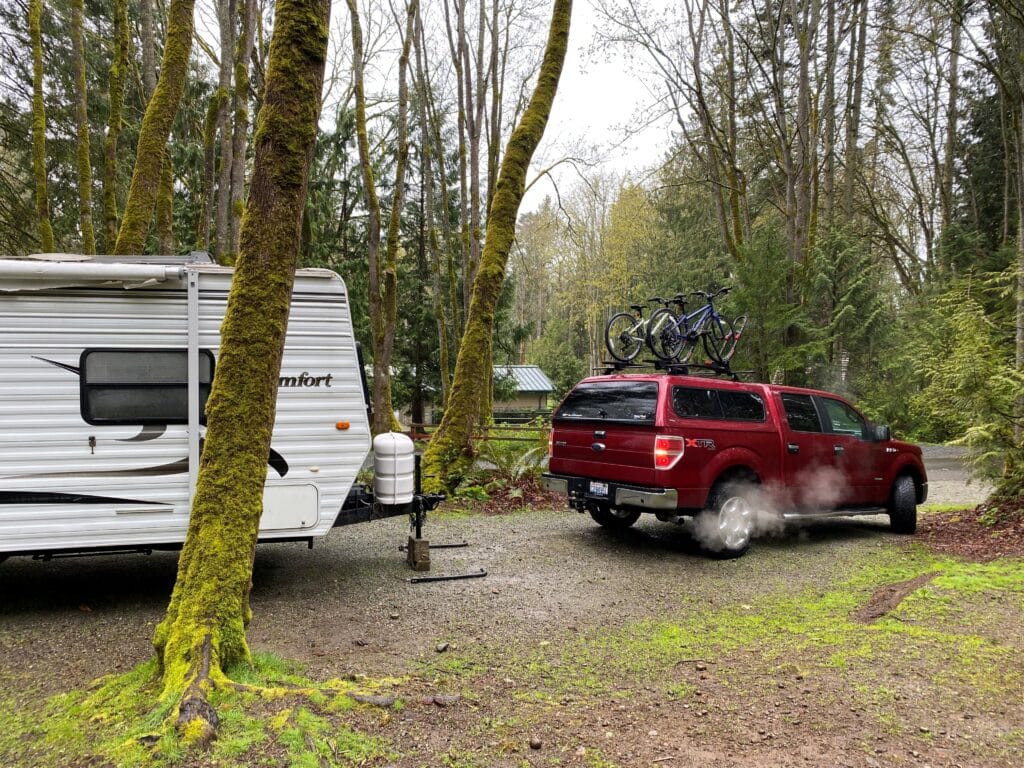
It’s similar to what we tell clients about e-bikes, ATVs, or boats:
👉 If it has wheels or a motor, it likely needs its own policy.
Real Client Story: A Total Loss RV Claim
One of the most powerful examples comes from a longtime client Nick worked with.
The couple had just retired and bought a brand-new truck and travel trailer. They were headed out on their first major camping trip.
As they climbed out of Columbia River gorge near Vantage, a strong side wind flipped both the truck and trailer.
- The truck was totaled
- The trailer was completely destroyed
- They suffered serious injuries
At one point, the couple were asked to help determine the depreciated value of their brand-new trailer.
But there was one critical detail:
👉 Nick reminded them that they had total replacement cost coverage on their RV policy.
Once that was identified, everything changed. The insurance company:
- Located a comparable new trailer
- Purchased it
- Delivered it to our clients
No back-and-forth. No major financial loss. Their policy also had contents coverage for the items within that trailer that were lost, so they didn’t have to file a claim under their homeowners insurance.
If that coverage hadn’t been there, they likely would have received a depreciated payout and would have had to cover the difference themselves.
Watch: Real RV Insurance Claim Story
Watch the video below to hear the whole story from Nick:
Replacement Cost, Agreed Value & Actual Cash Value (Why It Matters for RV Insurance)
This is one of the most important parts of choosing the right RV insurance policy.
- Total Replacement Cost Coverage: Pays to replace your RV with a new one (often even if costs have increased). Generally only available on newly purchased, previously untitled RVs
- Agreed Value: Locks in the value of your vehicle at the time it is insured, so you will be paid that “agreed upon” amount even it is totaled several years down the road.
- Actual Cash Value (ACV): Pays what your RV is worth today after depreciation, which happens rather quickly with RVs.
If your RV was insured with a company that only offers ACV, it isn’t covered for what you thought it was. RVs depreciate quickly – typically 35-50% over the first 5 years – so that gap in replacement cost can be significant.
Depending on your needs, we have a variety of options available through our carrier partners, including total replacement cost and agreed value. You can lock in your RV’s current value, rather than facing depreciated replacement costs if your RV is totaled.
What Does RV Insurance Typically Cover?
We offer a variety of coverage options. When possible, we recommend our clients choose an RV insurance policy that includes:
- Collision and damage coverage
- Liability protection where the RV is parked (in case someone were injured in or around your RV while you are camping and you are liable)
- Personal belongings inside the RV
- Uninsured/underinsured motorists (only for motorhomes)
- Emergency expenses or trip interruption
- Pest damage protection
- Roof leak protection
- $0 glass replacement (some RV windshields are worth well over $1,000)
Because when you’re traveling, your RV isn’t just transportation, it’s your home.
Why We Recommend a Specialty RV Insurance Policy
A specialty RV policy helps:
- Lock in better value protection
- Cover unique risks standard policies miss
- Provide more complete liability coverage
We can also help with:
- Travel trailers
- Motorhomes
- Custom and DIY camper vans
- ATVs and e-bikes
- RVs that are rented out to others through RV Share, Good Same RV Rentals and Outdoorsy programs
Before You Travel: Prepare Your RV and Review Your Insurance
Getting your RV ready for the season is still essential.
We put together a helpful checklist here:
👉 8 Tips to Get Your RV Ready
Preventative maintenance can help you avoid mechanical issues. But insurance protects you from the things you can’t control.
Final Thoughts: Protect Your Home Away From Home
RV trips should be about making memories—not dealing with unexpected financial stress and having to file a claim under your home or auto insurance.
A specialty RV insurance policy is often less costly than ensuring your RV on an auto policy, and provides a lot better coverage. The right RV insurance policy helps ensure that if something does go wrong, you’re protected in a meaningful way.

FAQ: RV Insurance Questions We Hear All the Time
In most cases, yes. Auto and homeowners policies often provide limited coverage that doesn’t fully protect your RV.
It’s coverage that pays to replace your RV with a new one instead of factoring in depreciation.
It depends on the type of RV and how it’s used. Motorhomes are typically required to carry liability insurance, similar to auto insurance.
Many policies include coverage for items inside your RV, but limits vary.
Similar to your homeowners policy, coverage depends on the type of water damage and the details of the specific policy. In general, RV policies are designed to cover unexpected events (like a pipe breaking), not damage cause by ongoing maintenance issues.
Some of our carriers offer an option to add roof protection coverage for your RV, in case the roof fails for other reasons than wear and tear. Contact us to find out more.
Once you start renting out your RV, it’s no longer considered personal use, so your regular RV policy usually won’t apply. We do have options available if you are renting out your RV. Contact us to talk through your needs.
Ready to Review Your RV Insurance?
Whether you have a motorhome, travel trailer, truck camper, or camper van, we can help you understand your options and make sure your coverage fits your needs.
Give us a call before your next trip—we’re happy to help.
Happy adventuring! 🚐