
Winter driving in the Pacific Northwest brings a mix of beauty and challenge — from frosty commutes in the metro area to snowy weekend adventures in the mountains.
Our team knows this firsthand: Nick, who used to drive U.S. 2 to Stevens Pass as a ski instructor, now heads for winter camping and skiing with his family all over the region. Other team members are planning snowshoeing trips, sledding days, and weekend getaways.
Whether you’re heading for fresh powder or just trying to navigate a neighborhood coated in slush, a little preparation goes a long way.
Be prepared for hazardous road conditions and follow our top 10 tips for driving in snowy and icy conditions.
Clear your car: See and be seen
Scraping snow and ice off your car may be the last thing you want to do when it’s freezing outside, but it’s actually the law in Washington state. Before you start driving, clear all the snow and ice off your car windows, mirrors, and roof.
Chunks of snow and ice that accumulate on the roof of your car can fly off when your car is in motion, posing a hazard to other drivers. And when you brake, snow on the top of your car can slide forward and cover your windshield.
Don’t forget to clean snow off your front and rear lights, too. This will help other drivers see you better.
Pack Your Emergency Kit
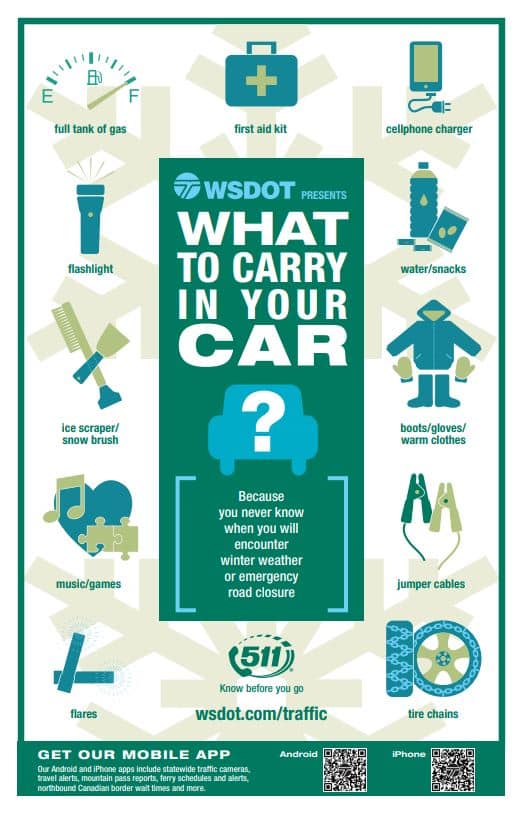
A well-stocked car emergency kit can make an unexpected delay a little easier, or even save your life. At a minimum, the Washington State Department of Transportation recommends you pack the following:
- Warm weather gear, including boots, waterproof gloves, and a knit hat to keep your head and ears warm
- Bottles of water and non-perishable snacks, like protein bars
- Windshield ice scraper and snow brush
- Flashlight and batteries
- First aid kit
- Cell phone charger
- Reflective gear and/or flares – essential if you have a roadside emergency
- Chains, especially if you’re traveling over the mountains
- Jumper cables if you have them
- Kitty litter for traction
- Items for children, including diapers, wipes, and games to keep them occupied
- Items for pets, including a leash and water bowl
Have Plenty of Gas
As a general rule, keep your gas tank at least half full during winter weather. You never know what delays or detours you may encounter on your route. If you get stuck, you’ll also want to keep your engine running to stay warm.
Slow Down
See snow? Think s-l-o-w.
Speed limits are set for ideal driving conditions. Reduce your speed to account for lower traction when driving on snow and ice.
According to the U.S. Department of Transportation, drivers should reduce their speed by 1/2 or more on snow-packed roads. For example, if you would normally be traveling at a speed of 30 mph on dry pavement, then on a snow-packed road you should reduce your speed to 15 mph or less.
Keep Your Distance
Be sure to leave lots of space between you and the car in front of you. Double or triple your following distance when roads are icy or snowy — this helps prevent skids and gives you more time to react.
If someone is tailgating you, pull over where it’s safe to do so and allow the other driver to pass.
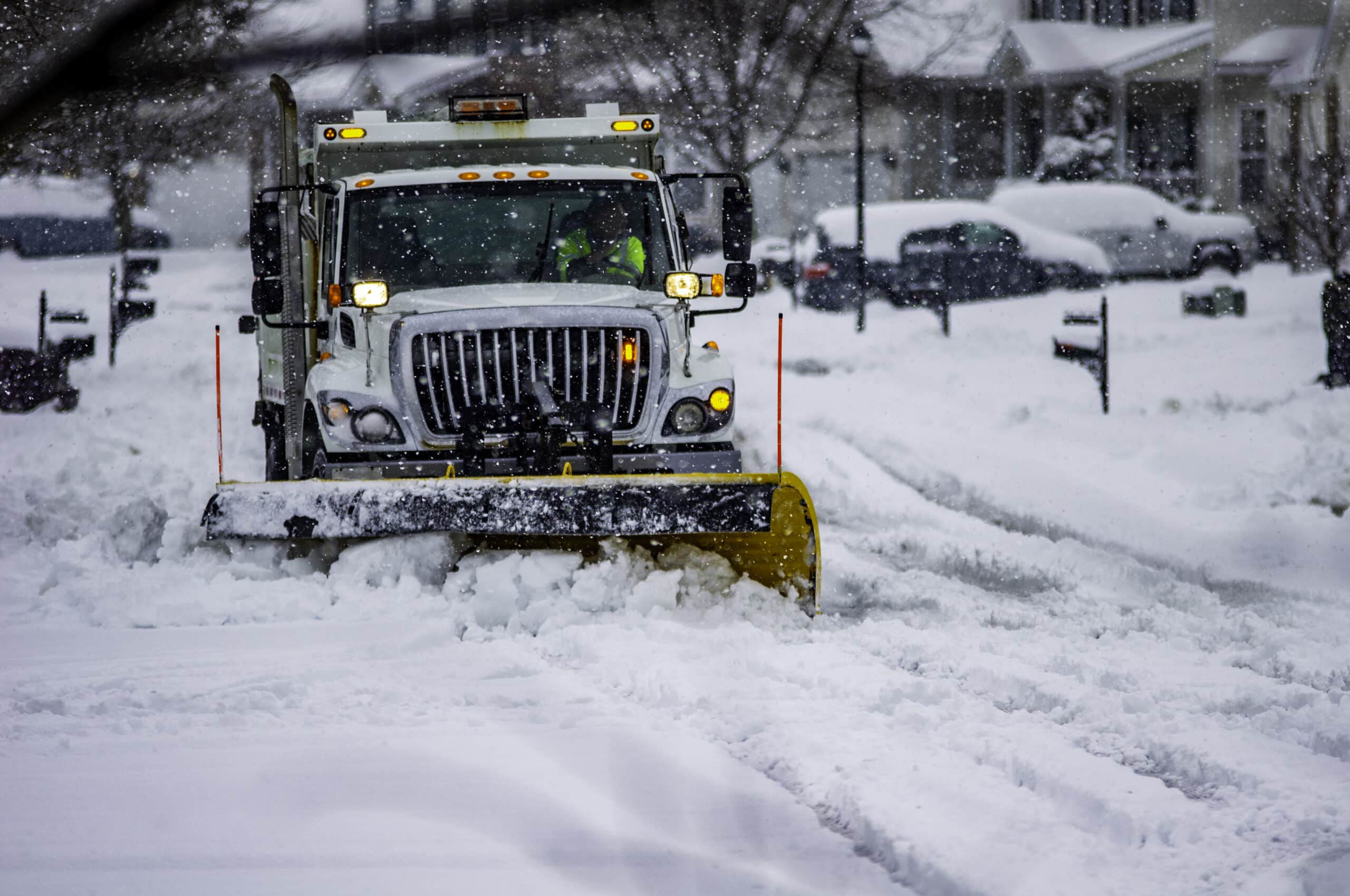
And remember: if road crews or snowplows are present, give them extra space to work — they’re out clearing the roads so everyone can get home safely.
Brake with Care
Avoid sudden stops and brake gently to avoid skidding or sliding. If your wheels lock up, ease off the brakes.
Don’t get overconfident if your car has all-wheel drive (AWD) or four-wheel drive (FWD). Cars with AWD and FWD have great traction compared with two-wheel drive cars, but when it comes to stopping they’re all the same. If you have an AWD or 4WD vehicle, don’t let that extra traction lull you into a false sense of security on icy roads.
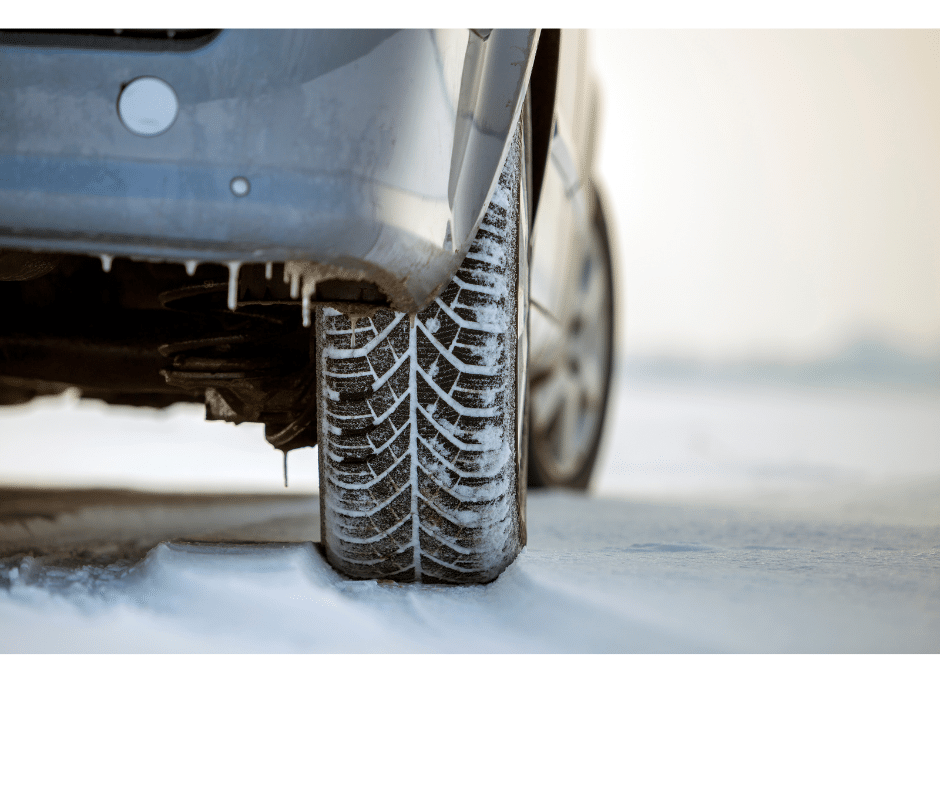
Be especially alert for black ice — unlike frosty glare, it can look just like wet pavement and may catch you off guard when braking.
If you do find yourself skidding, try to stay calm. Take your foot off the gas and steer in the direction you want to go. Resist the urge to brake while skidding and focus on regaining traction. If your car has antilock breaks (ABS), they will automatically pulse. This is normal. If your car doesn’t have ABS, lightly pump the breaks.
Drive Smart
Before heading out — especially toward mountain passes — always check current road and weather conditions. If you have flexible timing, consider delaying your trip if conditions aren’t ideal.
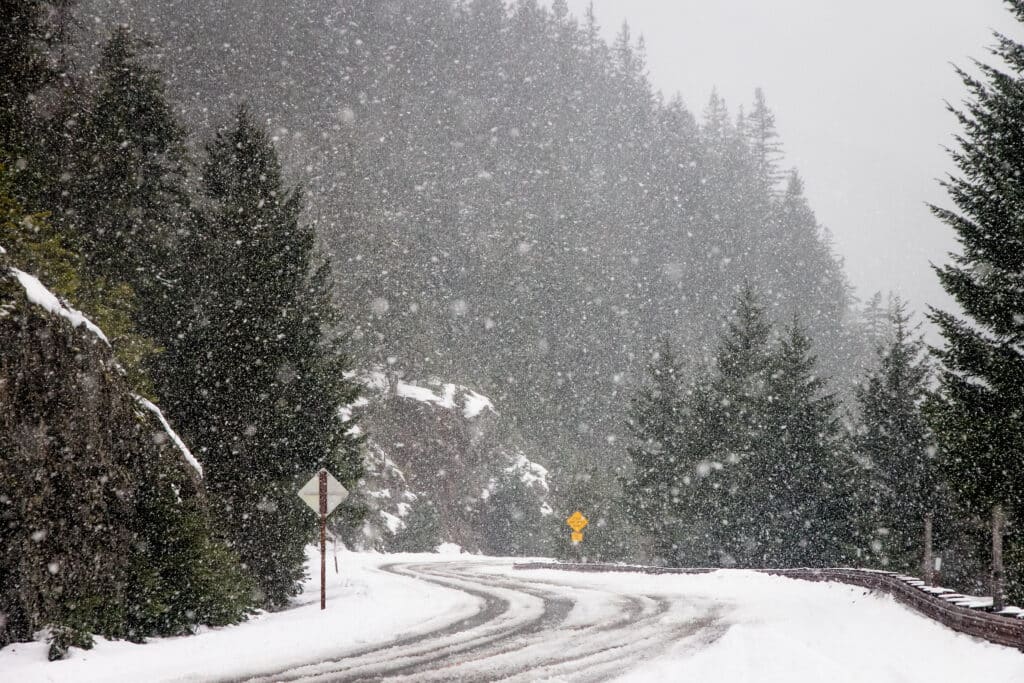
If you do have to travel, give yourself plenty of time to arrive at your destination safely. You may also want to drive in a lower gear or the “snow” setting on your car if it has one. This can help improve traction, especially on hills.
Never use cruise control. This can cause your wheels to spin at different speeds and may make you lose control.
Be extra vigilant on bridges, overpasses, and ramps – and not because the Fremont troll lives under them. These areas can be especially slick since they’re the first to freeze and the last to thaw.
Watch for Children
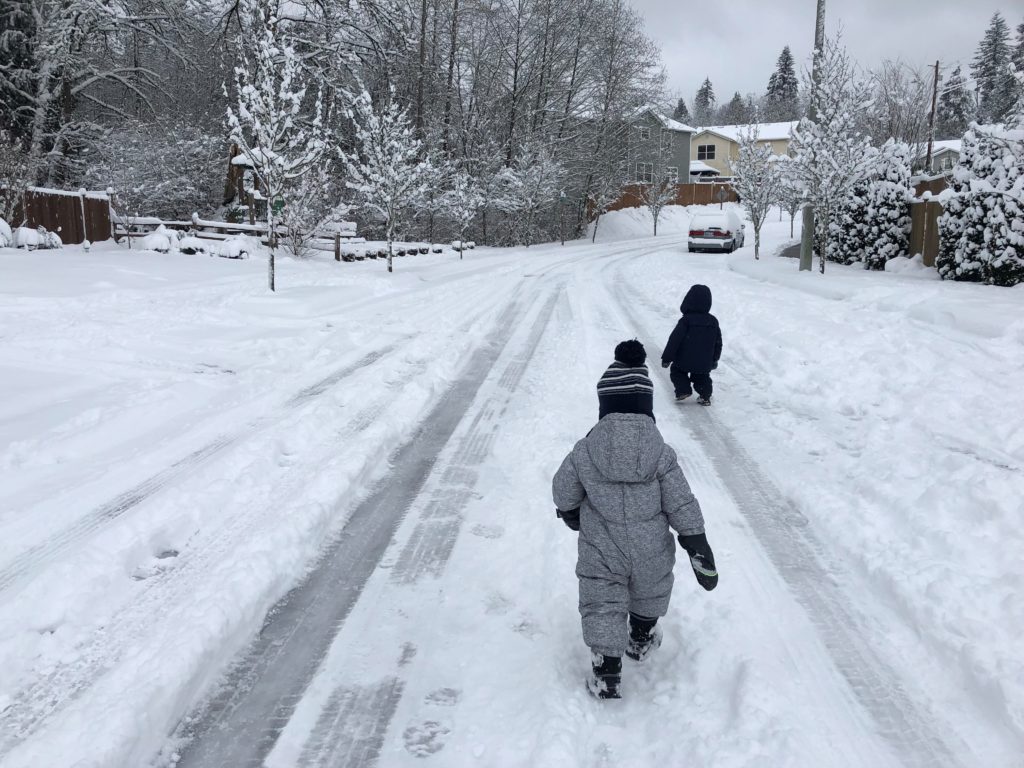
Always be aware of your surroundings, especially when driving through residential areas. Children love to play in the snow, and they may be walking or sledding on neighborhood roads. Drive very slowly and be on the lookout for kids that may dart from behind cars or snowbanks.
Know What to do if You’re Stuck
If your car gets stuck in the snow, avoid spinning your wheels.
Dig snow and ice away from your tires, then try to rock your car free of the snow. Do this by carefully switching from drive to reverse. Go easy on the gas pedal – it’s the momentum that sets you free, not the power. You can also improve traction under your wheels by putting a little sand, gravel, or kitty litter under your tires.
If all else fails, an emergency roadside assistance service can help.
Know What to do if You’re Involved in an Accident
If you’re involved in an accident, call 911. Then, move your car as far off the road as safely possible.
In poor weather conditions, it could take some time for first responders to arrive. Opt to stay safely inside your car while you are waiting for help. Wear your seat belt in case you get hit by another car, and activate your hazard lights to increase visibility. The one exception to this: if staying in your car puts you in physical danger. For example, the car may slide into a body of water.
Open your window a small crack to allow for air to flow in and to keep your windows from freezing. Snow and ice can quickly seal a car shut. If you are sure the exhaust pipe isn’t blocked, run the engine and heater for 10 minutes every hour to stay warm.
After you’re home safe, call, text or email us and we can help talk through your options and assist in turning in a claim if necessary. Stay safe this winter!